Industrial Gas Monitoring Systems for Oxygen Deficiency and Gas Leak Detection
When working with
nitrogen,
oxygen, or other process gases, safe system design and commissioning are the foundation. Specialty Gas Canada installs gas generation systems that are pressure-tested and commissioned to applicable TSSA and CSA requirements, so under normal operating conditions, leaks should not occur.
However, even the best-designed systems operate in real facilities with people, valves, and day-to-day changes. For facilities that want an added layer of protection in higher-risk areas, industrial gas monitoring systems provide independent detection of unsafe room conditions.
Specialty Gas Canada supplies and installs oxygen deficiency and gas leak monitoring systems that continuously monitor ambient air conditions and provide clear alarms if oxygen levels drop or specific gases are detected above safe thresholds.
Gas Monitoring Systems vs. Generator Controls
It’s important to distinguish between gas monitoring systems and the controls built into gas generators.
Gas generators and compressors:
- Are designed and tested so that leaks should not happen
- Monitor internal operating parameters such as pressure, purity, and performance
- Can be viewed locally or remotely for operational efficiency
Gas monitoring systems:
- Are installed in the room, not inside the generator
- Measure the air people are actually breathing
- Detect oxygen deficiency or elevated gas concentrations caused by leaks or releases
If nitrogen escapes into a room, the generator itself may continue to operate normally. The gas monitoring system watches for the environmental effect of that release, specifically an increase in nitrogen concentration and a corresponding reduction in oxygen levels, and alarms when conditions become unsafe for people.
Oxygen Deficiency Monitoring Explained
The most common safety monitoring solution Specialty Gas Canada supplies is the oxygen deficiency monitor.
An oxygen deficiency monitor measures ambient oxygen levels in a defined space. If oxygen drops below or above a safe threshold, the system triggers audible and visual alarms to alert personnel in the area.
This type of monitoring is particularly relevant where nitrogen is used, as nitrogen is colourless, odourless, and can displace oxygen without obvious warning signs.
Is Gas Monitoring Required?
In both Canadian and U.S. regulations,
atmospheric monitoring is explicitly required before and during entry into confined spaces to check for oxygen levels and the presence of hazardous gases.
Gas systems are installed, tested, and approved so that leakage should not occur under normal conditions. Many customers choose not to install monitoring systems. In fact, only a small percentage of generator installations include additional gas detection equipment.
Monitoring is typically driven by:
- Jurisdictions
- Internal safety policies
- Corporate or insurance expectations
- Confined spaces
- The presence of enclosed or low-ventilation spaces
- A desire for added confidence for staff working near gas equipment
Specialty Gas Canada does not position gas monitoring as a replacement for proper system design, ventilation, or operating procedures. It is an added safety layer for facilities that want additional visibility into room conditions.
Types of Gas Monitoring Systems Available
At Specialty Gas Canada, we supply and install a range of industrial gas monitoring devices based on customer needs and site conditions. These include:
- Oxygen deficiency monitors (most common)
- General gas detectors
- Universal gas detectors capable of sensing different gases
While oxygen deficiency monitoring is the most frequently installed solution, other gas detectors such as hydrogen sulfide (H₂S) or carbon monoxide (CO) may be considered where specific gases are present.
Selection is based on how gas is actually used on-site and how the system will be supported through ongoing
maintenance and technical support.
How Gas Monitoring Systems Function
Although exact specifications vary by manufacturer, gas monitoring systems operate continuously and in real time.
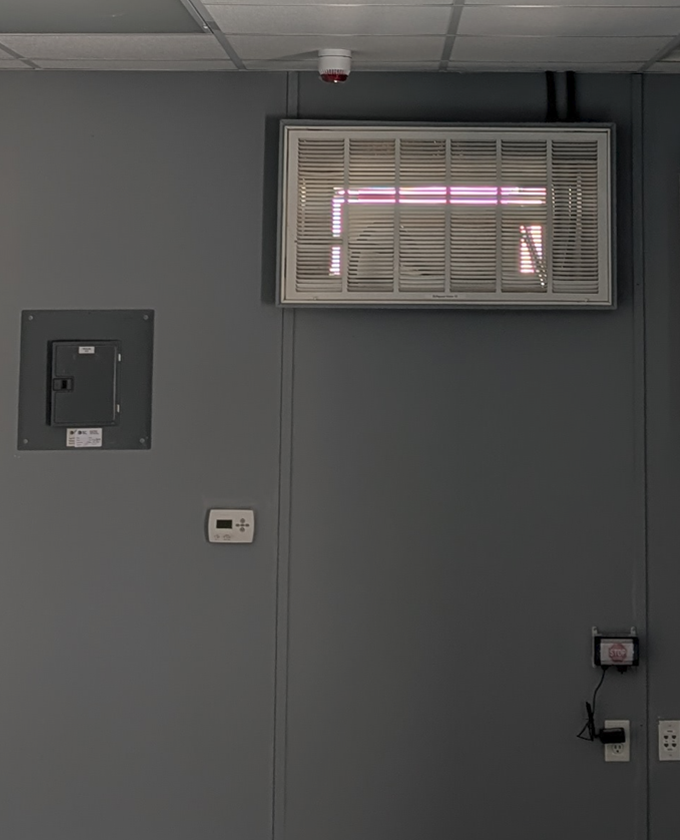
When unsafe conditions are detected, systems typically provide local visual indicators and audible alarms in the affected area.
These systems alert personnel immediately when conditions change. Exact response times depend on the device, but detection is continuous rather than periodic.
Gas monitoring systems operate independently of generator controls and do not affect generator operation. If connectivity or monitoring is interrupted, gas production continues as normal.
Where Gas Monitoring Makes the Most Sense
Gas monitoring is often considered in:
- Generator rooms with nitrogen or oxygen systems
- Gas storage or cylinder rooms
- Basements, mezzanines, or enclosed mechanical spaces
- Facilities where staff enter gas rooms
- Environments with heightened safety or operational sensitivity
- Confined Spaces
- Point of use where the gas is actually consumed
In these areas, monitoring provides early warning of developing conditions that may not be immediately noticeable.
Specialty Gas Canada’s Role
Specialty Gas Canada takes a practical approach to gas monitoring, focusing on where it genuinely improves safety. Each site is reviewed based on how gas is generated, stored, and used, along with room layout, ventilation, and staff access.
When monitoring makes sense, Specialty Gas Canada supplies and installs appropriate equipment and provides clear guidance so your team knows what alarms mean and how to respond.
Talk to Specialty Gas Canada to review your facility and determine whether gas monitoring is the right additional safety layer for your operation.