How FDA Dye Phase-Outs Will Impact Canadian Food Manufacturers
Canadian food manufacturers aren't regulated by the U.S. FDA, but if you export to the U.S. or work with major retailers, FDA decisions still affect you.
The FDA is has announced a plan to
phase out petroleum-based synthetic food dyes from the U.S food supply by the end of 2026. This is driving manufacturers across North America to reformulate their products to remain compliant. As these synthetic dyes are removed, many products become more sensitive to oxygen, leading to faster changes in appearance and decreasing the shelf life.
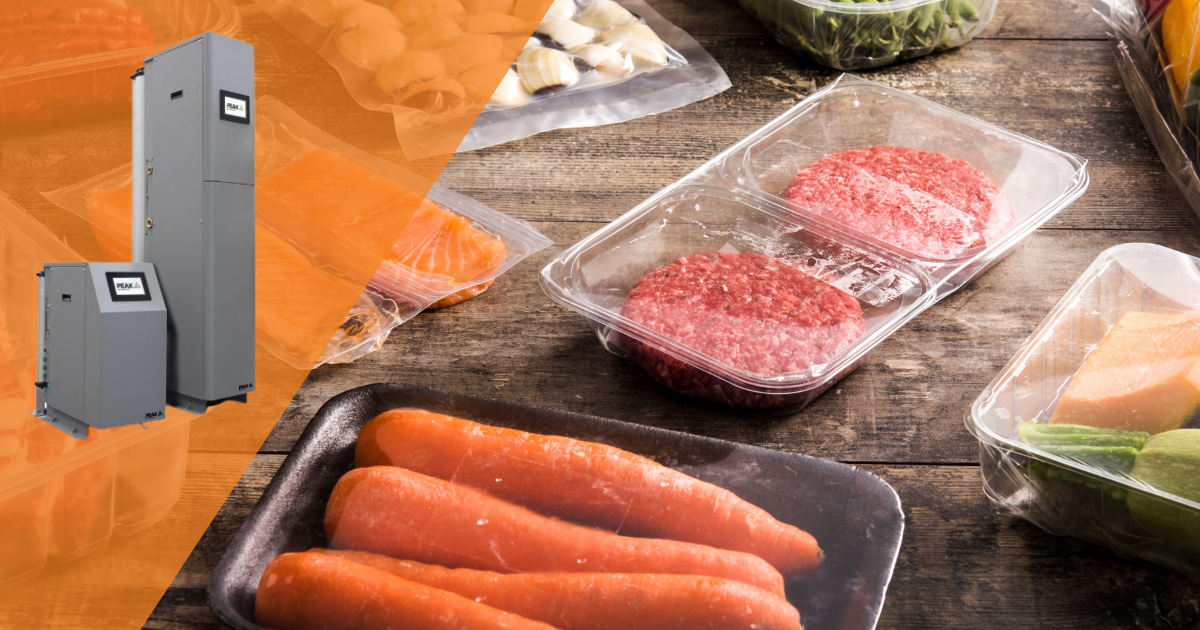
That's where better packaging comes in. Many Canadian manufacturers are turning to nitrogen-based packaging to protect product quality without adding more ingredients.
A nitrogen generation system pulls in air from the environment, filters out the oxygen, and produces nitrogen, which is then stored for use. The system comprises several key components, including the air compressor, filters, dryer, nitrogen generator, and storage tanks. If any of these components aren't maintained properly, the entire system can suffer.
Why FDA Decisions Affect Canadian Manufacturers
The U.S. FDA has recently revoked approval for certain petroleum-based food dyes and is phasing out others through 2026. Natural food colours remain permitted. As manufacturers reformulate products, packaging methods such as modified atmosphere packaging (MAP), including nitrogen flushing, are expected to be used more widely to extend shelf life and maintain product quality.
The Real Pressure Is From Customers
Even though FDA timelines run through 2026, many manufacturers aren’t waiting. Reformulation started early in products like
snacks, cereals, beverages, and candy. More recently, frozen and dairy products are also transitioning as natural colours replace synthetic dyes across an expanding range of foods.
For Canadian manufacturers, these early changes often become customer expectations, no matter what Canadian regulations allow. In many cases, market pressure often moves faster than regulation. U.S. policy changes quickly influence:
- U.S. export rules and buyer specifications
- Brand standards applied across all manufacturing facilities
- Retailer clean-label expectations
The result? Many Canadian manufacturers are reformulating not because the law requires it, but because their customers do.
Canada's Regulatory Position vs. Market Reality
In Canada, food colours are regulated by Health Canada. Approved synthetic colours are considered safe when used properly. However, Canadian labels must list these colours by their common name, rather than a generic "colour" declaration, making artificial dyes more visible to consumers.
Because of this, many manufacturers are updating their recipes sooner than required.
Natural Colours Create New Challenges
Switching to natural colours supports clean-label goals, but it also comes with new challenges. Colours made from fruits, vegetables, and spices are more sensitive to oxygen, light, and temperature.
Without good oxygen control, manufacturers may see faster changes in:
- Colour and appearance
- Flavor
- Fat freshness (rancidity)
- Shelf life
Smarter Packaging Can Help
Instead of adding stabilizers to fix these problems, many manufacturers are using nitrogen flush packaging that controls the environment around the food.
What nitrogen does:
Nitrogen is a harmless, odorless gas used to push oxygen out of sealed packages. It doesn't change the food itself.
Lower oxygen levels help:
- Slow spoilage reactions
- Keep colours and flavors stable
- Reduce rancidity in fats and oils
- Extend shelf life without adding ingredients
Where Nitrogen Packaging Works
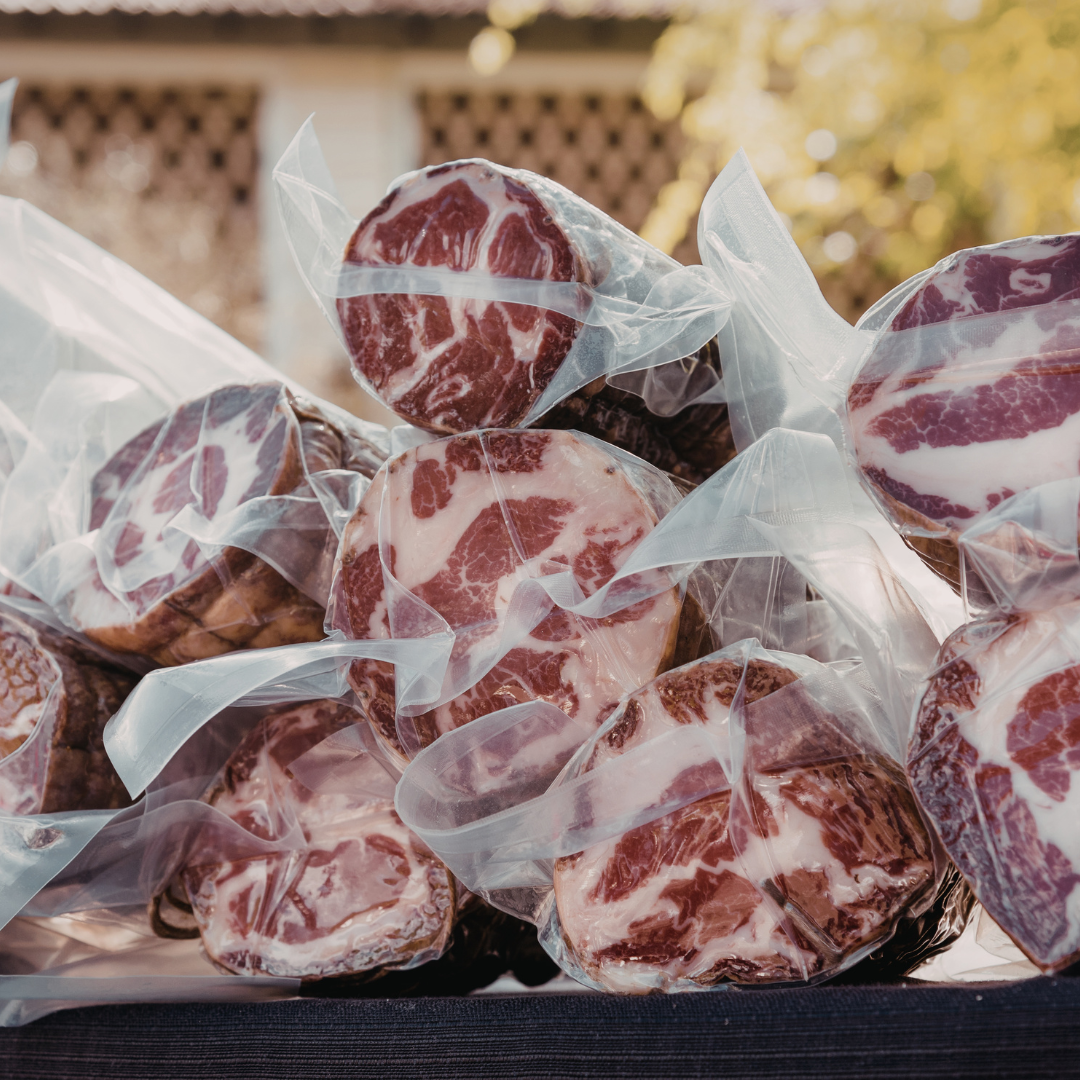
Nitrogen flushing is often associated with dry snack foods. However, reduced oxygen exposure can also support many other product types, such as:
- Baked goods and ready-to-eat foods
- Meat and dairy products
- Foods with oils or fats
- Temperature-controlled products sensitive to oxidation
Nitrogen Is Approved in Canada
Nitrogen-based packaging meets Canadian food regulations and international safety standards. Additionally, because it changes the air around food—not the food itself—it supports clean-label goals.
If Nitrogen Demand Grows, Supply Matters
As nitrogen use expands across more product lines, relying on bulk gas delivery can introduce:
- Price swings
- Delivery delays during busy periods
- Supply risks that affect production
Why On-Site Nitrogen Generation Matters
Making nitrogen on-site gives you more control. It allows you to:
- Produce it when you need it
- Adjust purity and flow for your needs
- Scale up during peak production
- Lower long-term costs
Bottom Line
As artificial dyes disappear and clean-label demands grow, manufacturers need new ways to protect shelf life and appearance. Nitrogen-based packaging offers a practical solution that meets regulations and keeps ingredient lists simple.
Why Canadian Food Manufacturers
Partner With Specialty Gas
Planning for increased nitrogen use as you reformulate?
Specialty Gas provides complete nitrogen generation systems for food manufacturers. We handle everything: design, installation, and maintenance, so you can produce your own nitrogen on-site instead of relying on expensive gas supplier contracts.
Our team specializes in Modified Atmosphere Packaging (MAP), helping you maintain product quality and keep production running smoothly.
Share This Article With Your Network