On-Site Medical Oxygen Generation for Healthcare and Medical Facilities
A compliant, medical-grade oxygen supply produced inside your facility. Sized for patient care, built for global standards.
Hospitals, long-term care homes, clinics, and other healthcare facilities depend on a reliable oxygen supply for patient care. Traditionally, that may be supplied through cylinders or bulk deliveries, bringing with it the ongoing requirements of scheduling deliveries, oxygen tank storage, and oxygen cylinder handling.
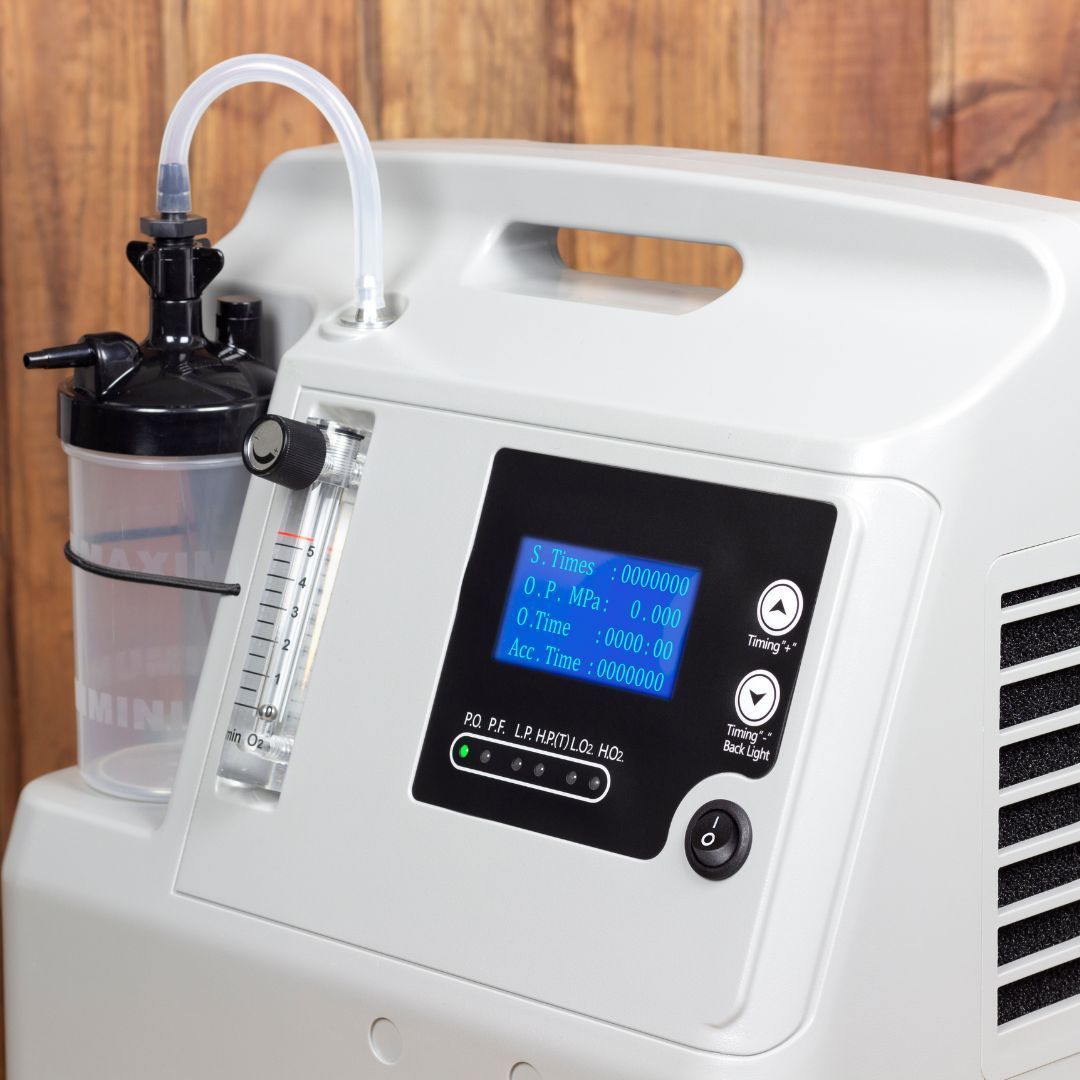
On-site oxygen production provides an alternative. An oxygen generator uses pressure swing adsorption (PSA) technology and compressed air to separate oxygen from nitrogen in ambient air and produce it directly at the facility as needed. Depending on the application, a portable oxygen generator may suit smaller or localized needs, while a larger system can support higher demand and integrate with a central medical gas pipeline.
Specialty Gas Canada designs, installs, and services on-site oxygen generators for healthcare facilities. We evaluate your oxygen demand, required flow and pressure, existing infrastructure, operating conditions, and applicable medical gas requirements to help develop a system suited to your facility.
How Healthcare Facilities Use Medical On-Site Oxygen
Medical oxygen is used across hospitals and healthcare facilities for everything from routine supplemental oxygen support to emergency and surgical care. An appropriately sized oxygen generator for healthcare facilities provides a centralized source designed around the facility's actual oxygen requirements.
Patient Ventilation and Respiratory Therapy
Medical oxygen supports supplemental oxygen therapy, mechanical ventilation, and respiratory care throughout inpatient units, intensive care units, and respiratory therapy departments.
Emergency and Critical Care
Emergency departments and critical care units rely on medical oxygen for resuscitation, ventilation, patient stabilization, and other situations requiring immediate oxygen therapy.
Anesthesia and Operating Rooms
Medical oxygen is used during surgery as part of anesthesia delivery and to support patients' breathing before, during, and after procedures.
Neonatal and Pediatric Care
Neonatal and pediatric units use medical oxygen to support infants and children who require supplemental oxygen or assisted ventilation.
Long-Term Care Facilities
Long-term and continuing care facilities use medical oxygen to support residents with ongoing or intermittent respiratory needs.
Medical Oxygen System Specifications
For healthcare applications, system specifications should be established according to the facility's actual demand and the requirements of the applicable medical gas system.
| Parameter | Specification |
|---|---|
| Purity | 93% (+/- 3%) |
| Pressure | Up to 65 PSIG into central gas lines |
Our high-pressure plants maintain steady oxygen flow at up to 65 PSIG without requiring a separate oxygen compressor. That simplifies your setup and reduces points of failure. For healthcare facilities that need high-purity oxygen, custom-designed systems can achieve oxygen concentration levels from 90% up to 99%.
What On-Site Generation Does to Your Oxygen Budget
Delivered oxygen supply comes with costs beyond the gas itself, such as transportation, disposal, and tank handling. For facilities using bulk liquid oxygen, product loss through boil-off can also contribute to overall costs.
On-site generation allows healthcare facilities to produce oxygen as it is needed rather than relying on external oxygen delivery. For facilities with sufficient oxygen demand, this can significantly reduce the ongoing cost of supply while making operating costs more predictable.
Specialty Gas Canada can review your current oxygen consumption and supply costs to compare them with the cost of generating oxygen on site and estimate the potential return on investment.
Standards and Compliance in Ontario
Medical gas systems are subject to strict requirements in Ontario. Medical gas pipeline systems must conform to CSA Z7396.1.22. This Canadian standard covers the design, installation, testing, commissioning, and ongoing operation of medical gas systems.
Specialty Gas Canada handles the compliance requirements associated with the oxygen generators we install. This includes TSSA registration, compliance, and commissioning, managed by our in-house certified team. We also provide the required system documentation, giving facility teams a complete record for ongoing compliance and future inspections.
Choosing the Right System Configuration
Oxygen needs vary considerably between healthcare facilities, so the system needs to be designed around how oxygen is actually used on site. Depending on the facility, an on-site PSA system may serve as the primary oxygen source or form part of a redundant supply configuration connected to the central pipeline.
Specialty Gas Canada reviews current oxygen consumption and existing infrastructure before recommending a system. Where standard equipment isn't suitable, our
gas system design and engineering team can develop a system around the facility's specific requirements.
Ready to Review Your Oxygen Supply?
If your facility depends on delivering medical oxygen today, it's worth comparing what you currently spend against the cost of producing it on site. We'll conduct a full demand analysis of your consumption and purity requirements, and show you exactly how long it takes to earn back your investment.